

Alpha-gal syndrome, an emerging allergic condition associated with tick bites
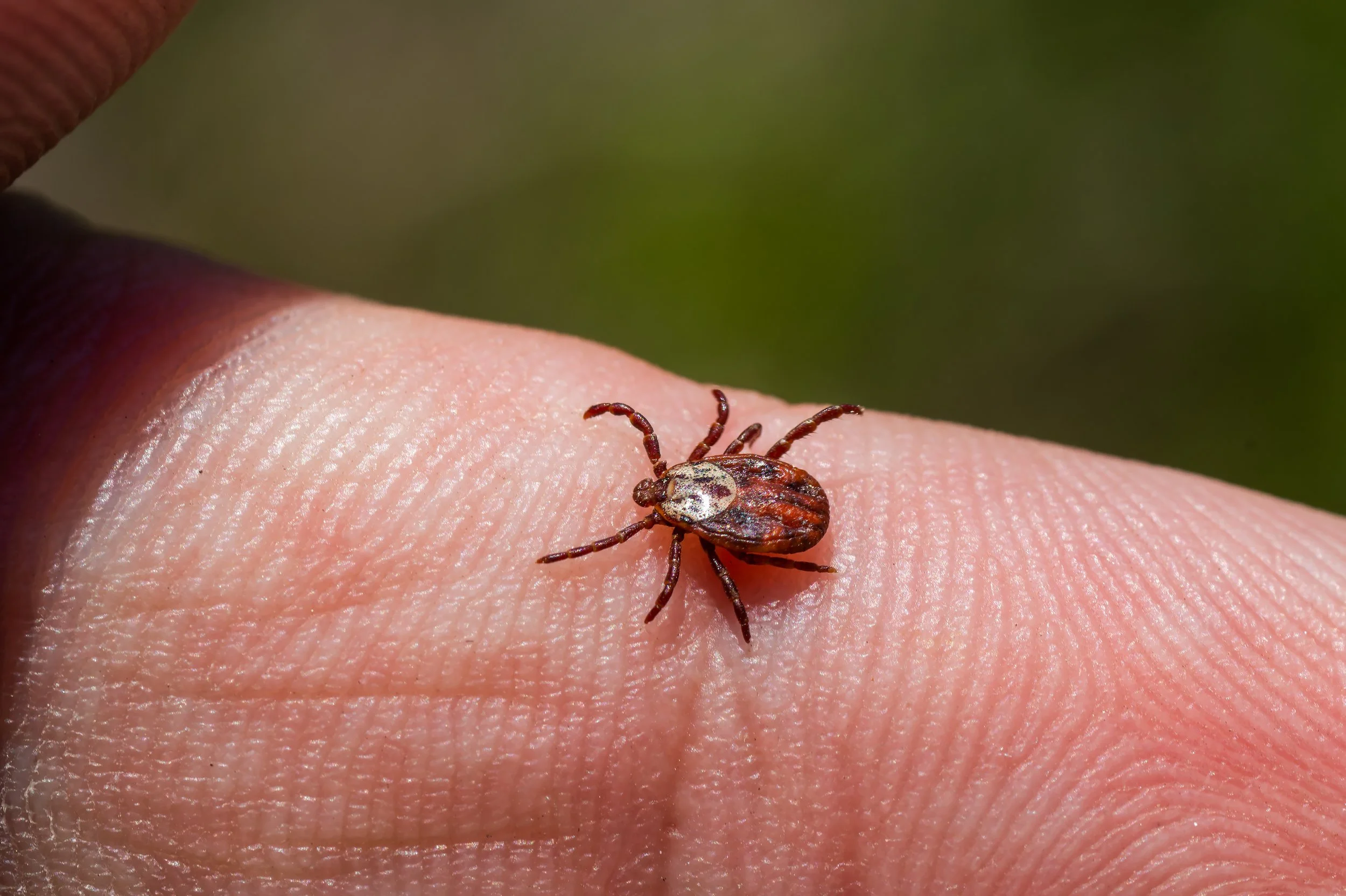
Ticks are a familiar concern for anyone who spends time outdoors. Most tick bites merely cause temporary irritation; however, bites from certain ticks can trigger alpha-gal syndrome (AGS), an acquired allergy to a sugar called alpha-gal that is found in most mammalian meat and products.
In the United States, AGS is mainly associated with the lone star tick, making awareness particularly relevant in Texas. After a tick bite, some individuals develop antibodies to alpha-gal and later experience allergic reactions after eating red meat (such as beef, pork, lamb or venison) or dairy products.
While food allergies generally cause symptoms within minutes of ingestion, alpha-gal-mediated reactions commonly manifest 2-6 hours after consuming meat or dairy products. This delayed onset can make it challenging to identify the cause. There is significant variability of symptoms in this allergic reaction, along with a range of severity. People with AGS may develop hives and/or itching, gastrointestinal symptoms, swelling, difficulty breathing, or, in severe cases, anaphylaxis.
As alpha-gal can be found in some products derived from mammals, those diagnosed with AGS should make their healthcare providers aware if they have been diagnosed with this condition. This will help the healthcare team determine whether any special considerations are necessary.
Researchers and transfusion medicine specialists continue to study potential interactions between alpha-gal antibodies and blood group antigens, highlighting how discoveries in allergy and immunology can have implications across multiple fields of medicine.
The key takeaways for our community are prevention, awareness and communication. Practice tick safety to reduce exposure, recognize that allergic reactions may be delayed and share your AGS diagnosis with your healthcare team.
Reference
Centers for Disease Control and Prevention. About alpha-gal syndrome. Updated January 5, 2026. Accessed October 15, 2026. https://www.cdc.gov/alpha-gal-syndrome/about/index.html